
How To Choose The Best Network Installation Services Around Atlanta
Table of Contents
- Introduction
- Understanding Network Installation and Why It Matters
- Key Selection Criteria for Network Installation Providers
- Verification Steps Before Hiring
- Cost and Timeline Considerations
- Common Pitfalls to Avoid
- Pros and Cons of Professional Network Installation
- Additional Considerations and Tips
- FAQs
- Conclusion
Introduction
Modern businesses and homes depend heavily on reliable connectivity to function smoothly and efficiently every single day. Whether you need to share files across multiple computers or connect smart devices throughout your property, a solid network forms the foundation. In Atlanta's fast-growing residential and commercial landscape, choosing the right network installation provider can make the difference between seamless operations and frustrating downtime.
This guide walks you through everything you need to know to select the best network installation services in Atlanta. We cover essential selection criteria, verification steps, pricing expectations, and common mistakes to avoid when investing in your connectivity infrastructure.
Understanding Network Installation and Why It Matters
What Network Installation Really Means
Network installation involves connecting computers, devices, and equipment so they can communicate and share resources within a unified system effectively. When you have multiple computers or smart devices operating simultaneously in your home or business, proper network setup becomes absolutely essential. A well-designed network allows your team to collaborate efficiently, access shared programs, and serve customers without interruption or technical barriers.
In office settings, dozens or even hundreds of computers must work on the same internet framework without crashing the system. Professional network installation ensures all devices receive equal access to programs and data across the entire infrastructure.
For residential properties, this means streaming entertainment, managing smart home systems, and supporting remote work without connectivity issues or performance problems.
Why Professional Installation Makes a Difference

The complexity of network installation extends beyond simply plugging in cables and hoping everything works properly over time. Professional installation ensures your infrastructure can handle current demands while remaining flexible enough to accommodate future growth and expansion. Poor planning or amateur installation often results in expensive failures, requiring complete reinstallation and causing significant business disruption or household inconvenience.
A typical household might use 10-20 devices on their internet router simultaneously without major issues. However, businesses require stable connections that support many more devices without sacrificing speed or service quality. This is why understanding your operational needs before starting any installation project saves money and prevents headaches down the road.
Key Selection Criteria for Network Installation Providers
Comprehensive Service Offerings
Selecting the right network installation company requires evaluating several critical factors that directly impact your project's success and longevity. Look for providers offering comprehensive end-to-end services rather than just basic cable installation without ongoing support or consultation.
Essential services should include:
- Initial consultation for needs assessment including device count, room size, and bandwidth demands
- Custom design to avoid signal interference and optimize performance throughout your space
- Professional installation of CAT6, CAT6A, or fiber optic cables based on your requirements.
- Post-installation testing to verify optimal performance and identify any potential issues
- Security features to protect your network from unauthorized access and external threats
- Scalability planning for future upgrades as your needs grow over time
- Integration with smart home systems like surround sound setups and automation platforms
Local Expertise and Credentials

Local expertise matters significantly when choosing network installers, particularly those familiar with Atlanta's residential and commercial infrastructure and building codes. Certified technicians understand regional challenges like navigating multi-story buildings, dealing with older construction, and working within local permitting requirements. They should offer specialized solutions tailored to your specific situation, whether that involves residential data cabling or complex business installations.
For commercial projects, look for experience with LAN, WAN, and fiber optic installations scaled appropriately for your company size. Atlanta-specific factors include handling the multi-story homes and office buildings common throughout Metro Atlanta with minimal downtime during installations.
Ongoing Support and Reliability
Reliability and ongoing support separate exceptional providers from average ones, ensuring your network continues performing optimally after initial installation. Choose companies offering post-installation troubleshooting, maintenance services, and responsive support when issues arise unexpectedly or technology needs change. Ask specifically about their support availability, whether they offer monitoring services, and how quickly they respond to service calls.
Verification Steps Before Hiring
Check Reviews and References
Before committing to any network installation provider, thorough verification protects you from costly mistakes and ensures quality workmanship. Check online reviews on platforms like Yelp and Thumbtack for recent Atlanta feedback from actual customers who describe their experiences. Look for consistent patterns in reviews such as comments about being fixed the first time or receiving reasonable pricing.
Request references from similar projects in Metro Atlanta, especially if you have specific needs like home theater installations or business operations. Speaking directly with past clients gives you honest insights into the provider's professionalism, punctuality, and problem-solving abilities.
Verify Licensing and Insurance
Verify licensing and insurance through the Georgia Secretary of State website to confirm the company operates legally and carries proper coverage. Licensed providers have met specific training and competency requirements, while insurance protects you from liability if accidents occur during installation.
Key verification steps include:
- Checking business registration and active status with Georgia state authorities
- Confirming general liability insurance coverage with adequate limits for your project size
- Verifying workers compensation insurance if the company has employees working on your property
- Inquiring about certifications such as BICSI for cabling standards and industry best practices
- Requesting detailed quotes covering materials, labor, warranties, and timelines for accurate comparison
Compare Multiple Detailed Quotes
Ask for detailed quotes from three to five providers covering materials, labor, warranties, and timelines so you can compare proposals fairly. Aim for warranties lasting between one and five years, with longer coverage indicating greater confidence in workmanship quality. Detailed quotes should break down costs by component so you understand exactly what you are paying for at each stage.
Cost and Timeline Considerations
Understanding Installation Pricing
Network installation costs vary widely based on project scope, cable types, building complexity, and the number of connection points required. Expect to pay between $100 and $300 per drop for basic Ethernet installation in residential homes, with higher costs for fiber optic cables. Full-home installations typically range from $1,500 to $10,000 depending on the total scope and special requirements.
Business installations generally cost more due to redundancy requirements, higher performance standards, and the need for minimal operational disruption. Some providers charge hourly rates around $100 per hour, while others quote fixed project prices based on specifications.
Typical cost breakdown:
|
Installation Type |
Price Range |
Timeline |
|
Basic residential drop |
$100-$300 per drop |
1-2 days |
|
Full-home installation |
$1,500-$10,000 |
1-2 weeks |
|
Small business setup |
$2,000-$15,000 |
3-5 days |
|
Fiber optic installation |
Premium pricing |
Varies by scope |
Project Timeline Expectations
Installation timelines vary based on project size and complexity, with small residential jobs completed in one to two days. Larger setups for expansive homes or offices may require one to two weeks from start to finish. Choose firms that guarantee on-time completion and have strong track records of meeting deadlines without cutting corners.
Factor in potential delays from Atlanta traffic when materials need delivery or permits for commercial jobs that require inspections. Providers using industry best practices complete installations more efficiently while minimizing the need for future maintenance and repairs.
Common Pitfalls to Avoid
Avoiding Cheap Services with Poor Quality
Steer clear of unverified cheap services that risk poor wiring quality and cause extended downtime when problems inevitably occur. Extremely low prices often indicate corners being cut on materials, with inferior cables that fail prematurely or cannot support modern speeds. Demand transparency regarding cable quality, specifically whether they use pure copper cables or cheaper copper-clad aluminum alternatives that degrade performance.
Ask about future-proofing capabilities, particularly whether the installation supports 10 Gbps speeds (via CAT6A or fiber) based on your actual bandwidth needs. Saving money on installation today only to need upgrades within a few years often costs significantly more overall.
Ensuring Local Presence and Clear Contracts
Avoid companies without a local Atlanta presence, as they typically provide slow response times when you need urgent support. Out-of-area providers may not understand local building codes, traffic patterns, or the specific challenges of Metro Atlanta construction styles.
Ensure contracts specify cleanup procedures, damage protection, and performance benchmarks that must be met after installation completion. Vague agreements leave you vulnerable to disputes about what was promised versus what was actually delivered. Performance benchmarks should include specific speed tests, signal strength measurements, and functionality checks before you sign off on completion.
Pros and Cons of Professional Network Installation
Advantages of Hiring Professionals
Professional network installation delivers numerous benefits that justify the investment for most residential and commercial property owners.
Key benefits include:
- Reliable performance with properly configured equipment and optimized settings for your usage patterns
- Enhanced security features that protect your network from unauthorized access continuously
- Scalability built into the design, allowing easy expansion as your needs grow
- Professional-grade materials that last longer and perform better than consumer alternatives
- Warranty coverage that protects your investment and provides peace of mind
- Compliance with building codes and safety standards that prevent hazards
- Time savings by avoiding the learning curve of self-installation attempts
Potential Disadvantages to Consider
Despite the many advantages, professional network installation does have some drawbacks worth considering before making your decision. Higher upfront costs compared to DIY installation can be prohibitive for those on tight budgets or with very simple needs. You also depend on the provider's schedule rather than working at your own pace on evenings or weekends.
Some providers may recommend more extensive solutions than you actually need, increasing costs beyond what is truly necessary. However, these disadvantages are generally outweighed by the benefits for most projects involving more than basic home networking.
Additional Considerations and Tips
Plan for Future Technology Changes
Plan for technology changes by choosing installation approaches that accommodate future upgrades without requiring complete system replacement. Discuss emerging standards with your provider and select cable types that support higher speeds than you currently need. Installing extra drops in strategic locations costs little during initial construction but saves significantly when you add devices later.
Consider conduit installation that allows cable replacement without opening walls again, preserving your property's appearance and structural integrity. Providers who think beyond immediate needs demonstrate the forward-thinking approach that protects your long-term investment.
Insist on Complete Documentation
Insist on receiving complete documentation of your network layout, including cable routes, connection points, and equipment configurations. This information proves invaluable for troubleshooting issues, planning expansions, and working with different service providers in the future. Request both physical diagrams and digital files that you can access easily when needed for maintenance or upgrades.
Time Your Installation Strategically
Schedule network installation during renovation projects or new construction to minimize disruption and reduce overall costs significantly. Running cables through open walls before drywall installation costs far less than retrofitting through finished spaces later. For existing properties, plan installations during slow business periods or when families are away to minimize inconvenience.
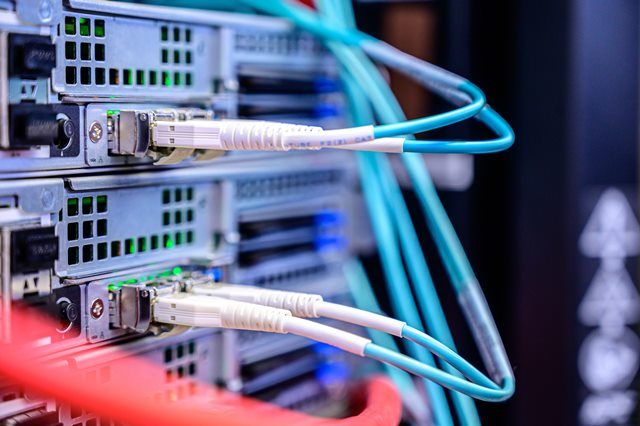
From wiring to performance, our complete guide to network installation services covers the essentials
FAQs
How long does a typical network installation take for a home in Atlanta?
Small residential network installations typically take one to two days to complete, while larger homes with multiple floors may require one to two weeks. The timeline depends on factors like the number of connection drops, cable routing complexity through walls and ceilings, and whether any unexpected obstacles are discovered.
What should I expect to pay for professional network installation in Metro Atlanta?
Residential network installation costs typically range from $100 to $300 per connection drop for standard Ethernet cables in Atlanta homes. Full-home installations generally fall between $1,500 and $10,000 depending on the total scope, cable types, and special requirements.
How do I verify that a network installation company is properly licensed in Georgia?
You can verify business licensing and registration status through the Georgia Secretary of State website by searching for the company name. Always confirm that providers carry both general liability insurance and workers compensation coverage before allowing work on your property.
What type of network cable should I choose for my home or business?
CAT6 and CAT6A cables work well for most residential applications, supporting gigabit speeds and standard home networking needs effectively. Fiber optic cables provide superior performance for businesses requiring higher speeds, longer cable runs, or complete immunity to electromagnetic interference.
Why should I avoid choosing the cheapest network installation service available?
Extremely low prices often indicate poor-quality materials like copper-clad aluminum cables that degrade performance and fail prematurely over time. Cheap services may also lack proper licensing, insurance, and expertise, leaving you vulnerable to substandard work and potential liability.
Conclusion
Selecting the best network installation services in Atlanta requires evaluating providers based on comprehensive service offerings, local expertise, and verified credentials. Professional installation ensures reliable connectivity for homes and businesses through properly configured equipment, quality materials, and adherence to industry standards. RMS Installs network installation services provide expert planning, installation, and ongoing support to keep your network efficient and secure. You can reach us at (470) 456-3108 for consultations or service inquiries.
Certified partners






Click Here to Fill The Form Online or Call us at:

Business Hours
| Monday | 08:00 AM - 06:00 PM |
| Tuesday | 08:00 AM - 06:00 PM |
| Wednesday | 08:00 AM - 06:00 PM |
| Thursday | 08:00 AM - 06:00 PM |
| Friday | 08:00 AM - 06:00 PM |
| Saturday | 10:00 AM - 05:00 PM |
| Sunday | (Closed) |